
The relational approach
The foundation of my work is the creation of a trusting and attuned therapeutic relationship. Within this relational framework, therapy becomes a shared space of encounter, what Winnicott described as a potential space: a subjective psychological space that exists between external reality and the inner symbolic world of the individual.
It is within this in-between space that new meanings can emerge. The secure bond developed in therapy supports emotional regulation, self-understanding, and the capacity to build and sustain relationships.
A key element of this approach is mentalization, the ability to perceive and interpret one’s own behavior and that of others in terms of feelings, intentions, and internal states. Through art-making and reflection, experiences that may initially feel confusing or overwhelming can gradually become symbolized, thought about, and integrated.
This is a non-directive relational approach. Participants are encouraged to freely associate emotions, thoughts, memories, or images without fear of interpretation or aesthetic judgment. The artwork is not analysed as a fixed symbol, rather, it becomes a shared object of reflection that supports dialogue and discovery.
Attention is also given to transference and countertransference, understood as meaningful relational communications that emerge within the therapeutic relationship.
What unfolds between art therapist and participant is part of the process and is approached with curiosity and care.
What shapes the studio
The setting (framework)
A distinctive feature of art therapy is the presence of artistic materials within a structured and protected setting. The framework provides safety and containment, allowing emotional exploration to unfold.
Session Duration
Individual sessions: approximately 50–60 minutes
Group sessions: approximately 90 minutes (Shorter sessions may be adapted for younger children)
Frequency
Sessions are typically held weekly, supporting continuity and relational stability.
The structure of a session
Although each session evolves organically, they generally include three phases:
Encounter
A moment of arrival and relational connection between therapist and participant.
Creation
Time for free, non-directed artistic expression using the materials available.
No artistic skills are required; the focus is on process rather than outcome.
Sharing
An opportunity to reflect verbally on what emerged during the creative process, if and when the participant wishes to do so. The pace and depth of reflection are always respected.
Methods and tools in practice
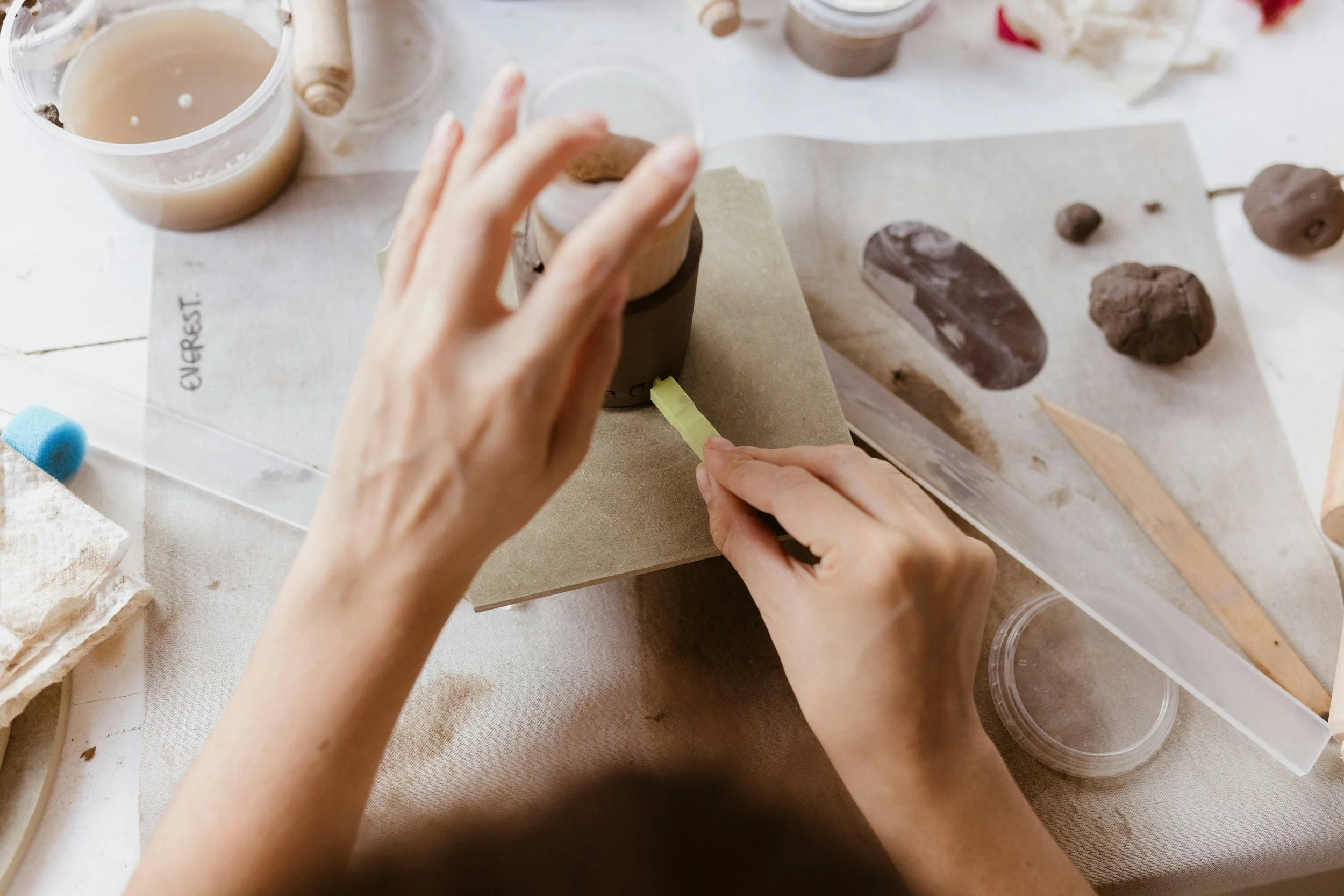
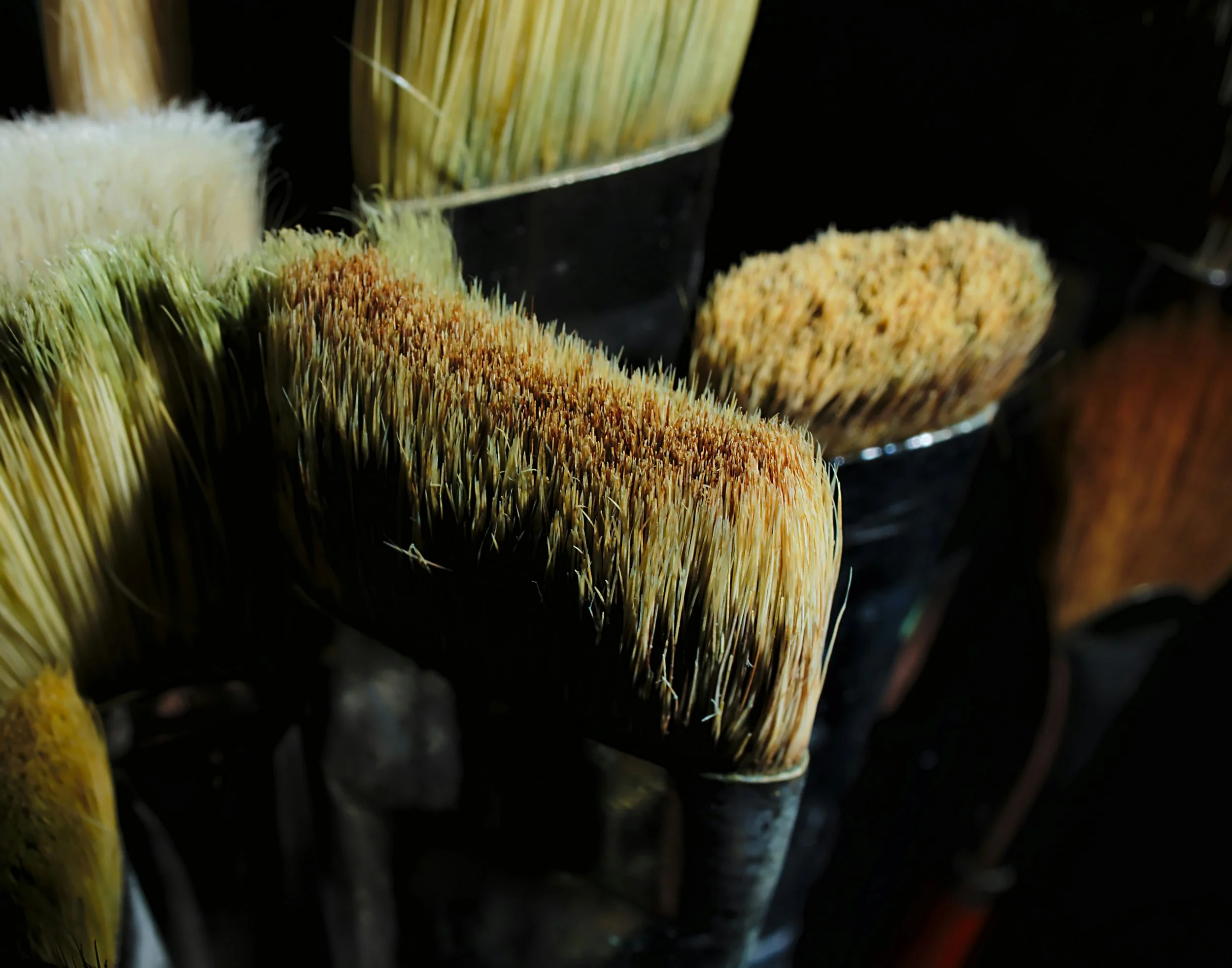
The primary medium of the work is artistic expression. Drawing, painting, collage, clay, and mixed materials are offered as tools for exploration. The focus is not on technique or aesthetic quality, but on what emerges emotionally, symbolically, and relationally.
Art-making is complemented by:
· Verbal reflection and symbolic dialogue
· Attention to body language and non-verbal communication
· Play-based elements, particularly in work with children
· Observation of relational dynamics within the session
Values in practice
The method is guided by:
· Respect for each person’s subjective experience
· Emotional attunement and presence
· Curiosity without judgment
· Trust in creativity as a self-regulating force
· The belief that transformation grows through relationship
· Trauma-informed and neurodiversity-sensitive approaches
In this way, therapy becomes a shared exploration. The session is not directed toward producing change from the outside, but toward creating the conditions in which change can emerge organically, within the relational space we build together.
Spaces for exploration
-
In-Person Sessions
Available for children, adolescents, and adults.
A limited number of reduced-fee spaces are available.Online Sessions (Ages 12+)
50 minutesNo artistic experience required.
-
Small-group art-based sessions focused on emotional regulation, creative exploration, and relational reflection.
These sessions provide a structured yet flexible setting where participants engage in guided art processes designed to support expression, grounding, and insight.
Groups are limited to four to five participants to ensure attentiveness throughout the process.
90 minutes
No artistic experience required. -
A reflective and supportive one-to-one space for emotional exploration, creative expression, and relational awareness through guided art-based processes. These sessions are designed for individuals who may feel creatively or emotionally “stuck,” offering opportunities for play, reflection, and reconnection with inner resources while supporting emotional regulation and insight.
In-Person or Online
60 minutes
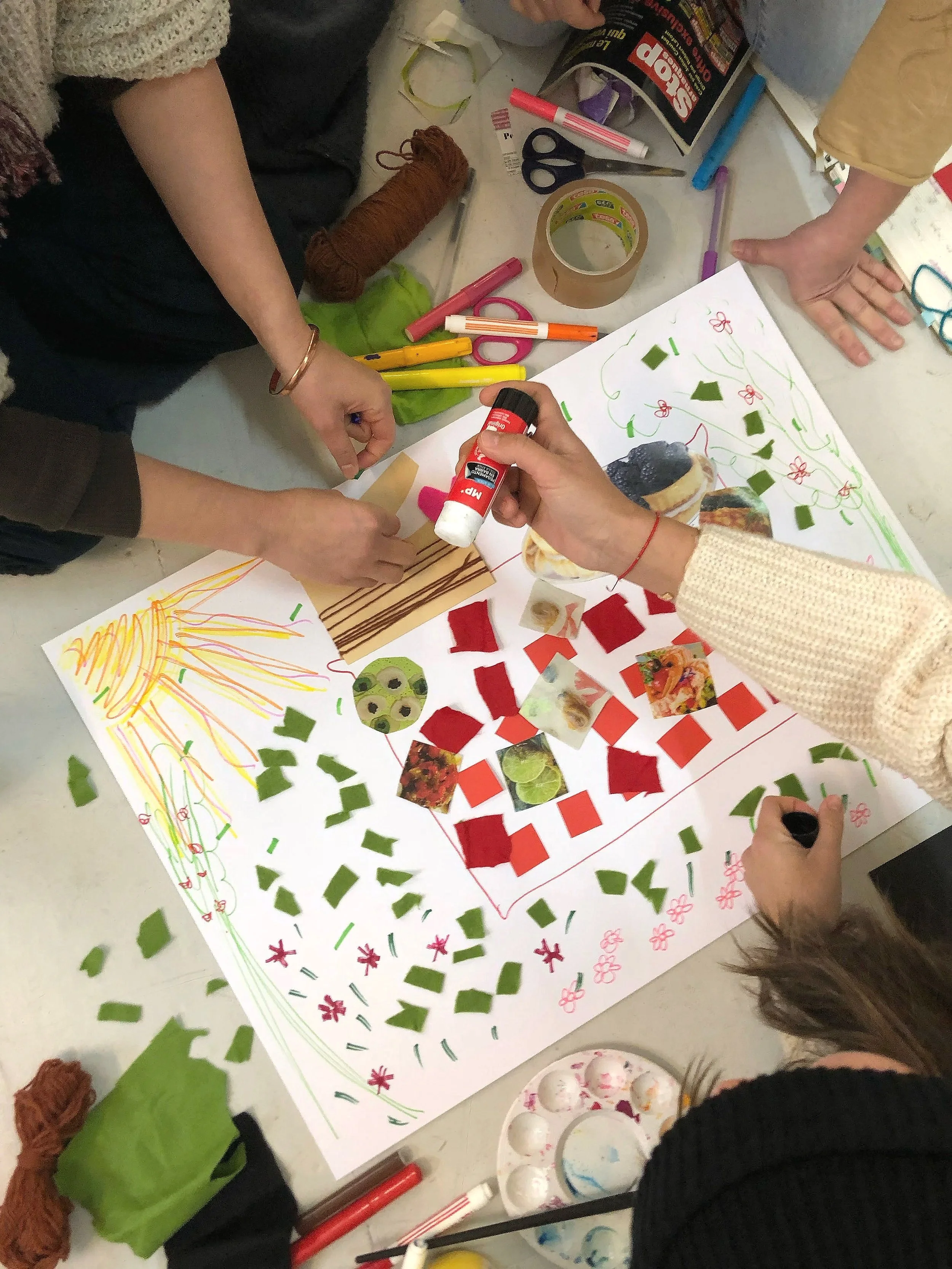
Group workshop during Metàfora attendance
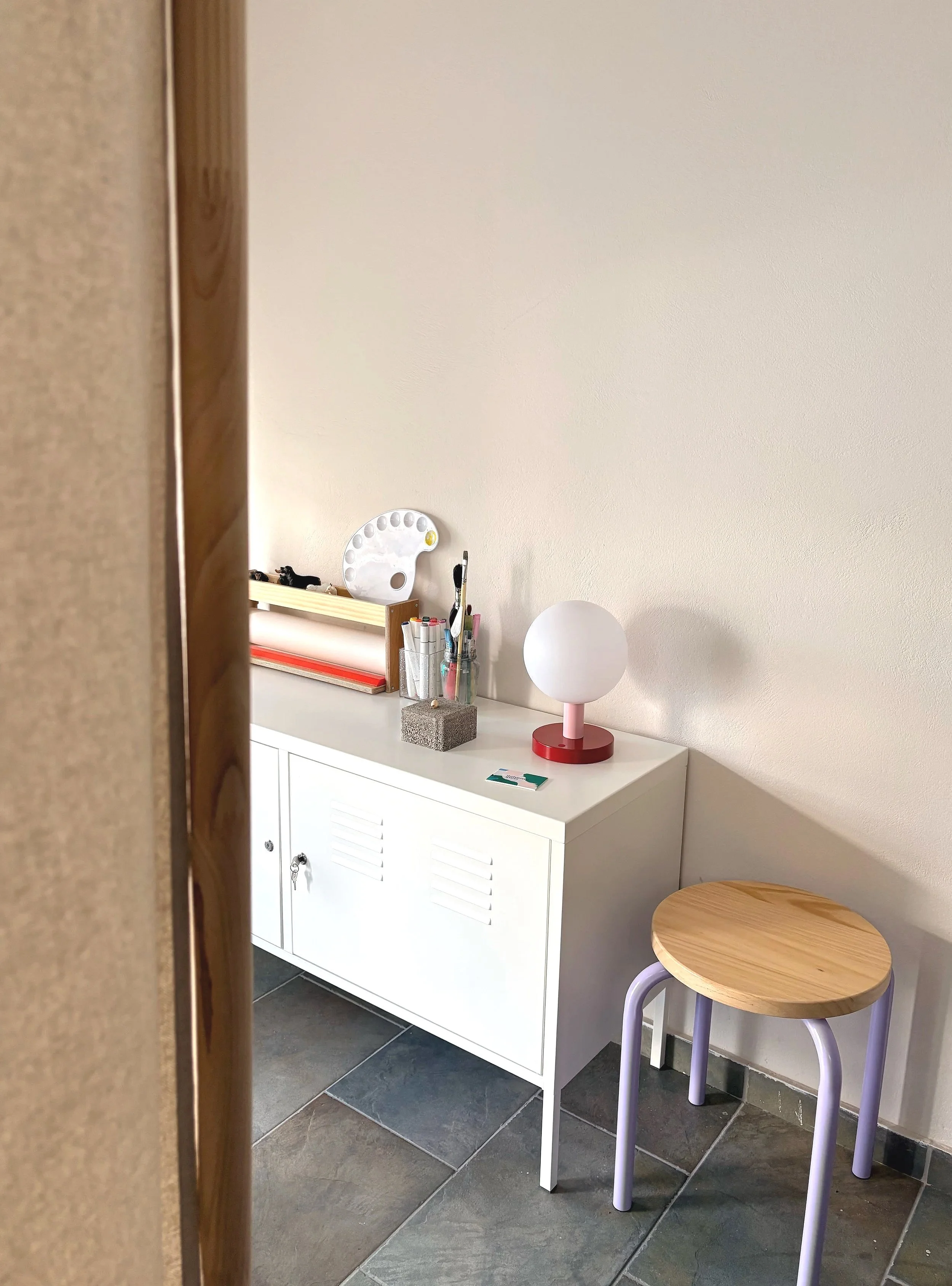
Inside the studio
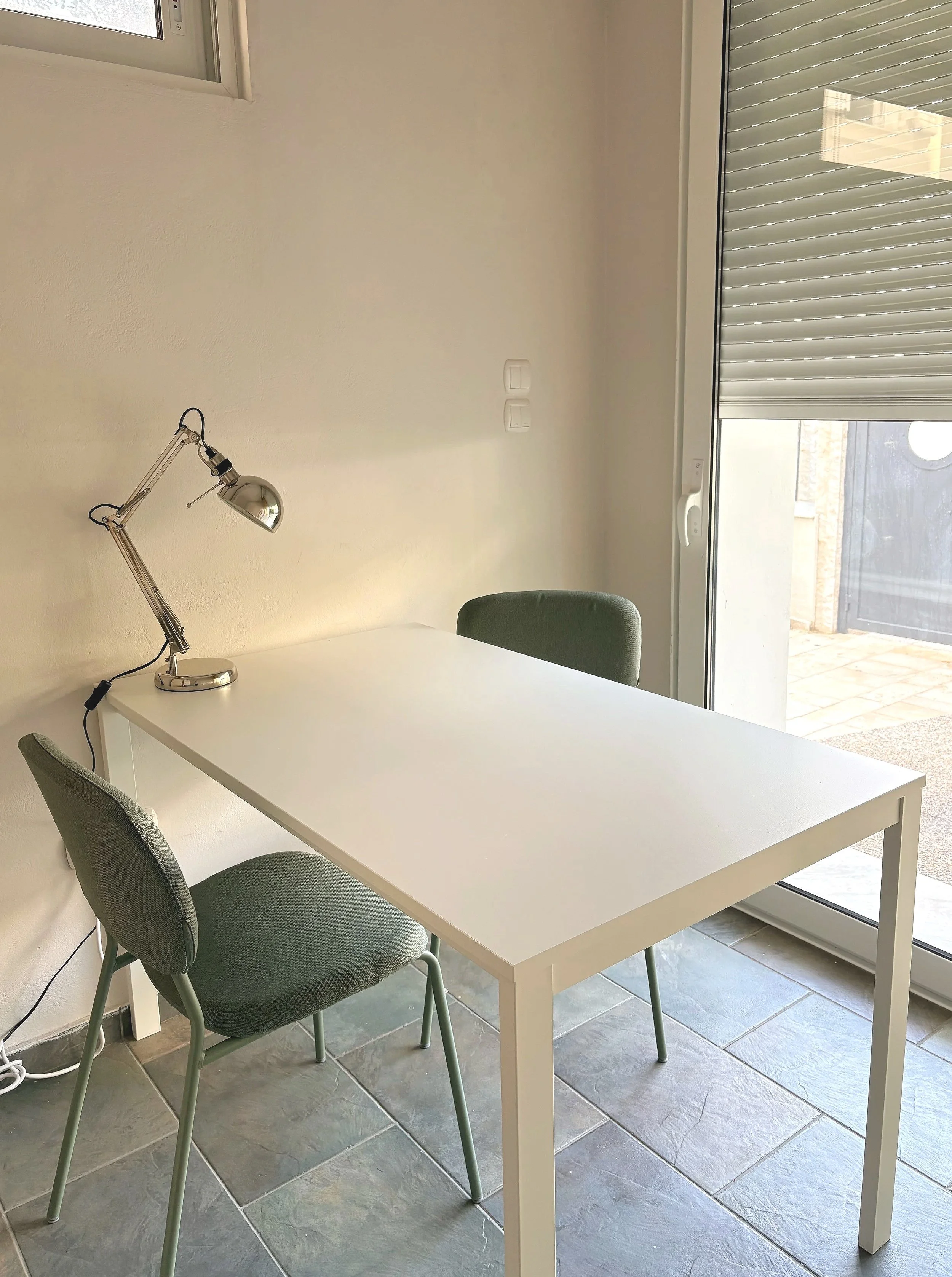
“The art making process and the art object itself can create an additional channel of communication which helps the art psychotherapist to understand the client’s inner world.”
— Taylor Buck, J. y Havsteen-Franklin, D. (2014). “Connecting with the image: how art psychotherapy can help to re-establish a sense of epistemic trust.”